Sea Bass Fishing from Shore Reading the tide and choosing a lure
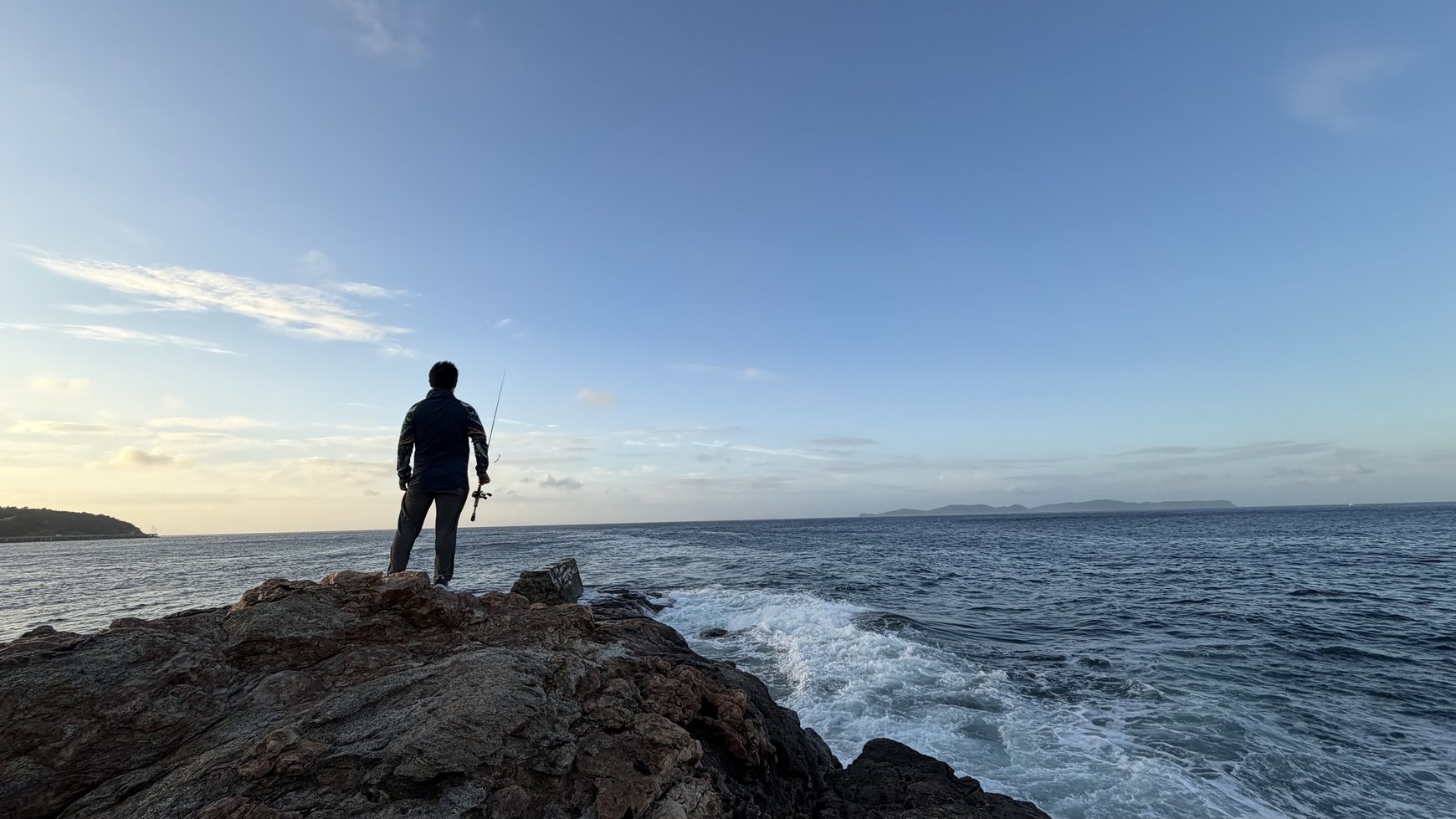
In early summer, foam left by breaking waves shows how the water moves along a rocky shore. If the foam drifts in a line along the rocks, that seam is a good place to try the first cast for sea bass.
Reading the water
Current seams at an estuary mouth, the outer edge of the white water around rocks and the mouths of small coves are all worth a cast. The flow can slow beside the main current as the tide bends around the rocks. A line of drifting foam often shows where the fast and slow water meet.
Baitfish sometimes gather along a current seam, where bass may lie in wait. Casting just beyond the seam brings the lure through it on the retrieve. If a fish follows or strikes, that line is worth another cast.

Jig weight and retrieve
With the YouLin long-cast flutter jig, 10 or 14 g is a useful starting weight for close targets, shallow water or light current. The 18 and 22 g versions can help when the seam is farther out or when wind or current makes a lighter jig harder to control.
Midwater is a good place to start. Once the jig has sunk to that level, a short pause after a few turns of the reel lets it flutter down again. Giving the jig a little longer to sink on the next cast takes it deeper. Where there are submerged rocks, starting the retrieve earlier leaves more clearance.
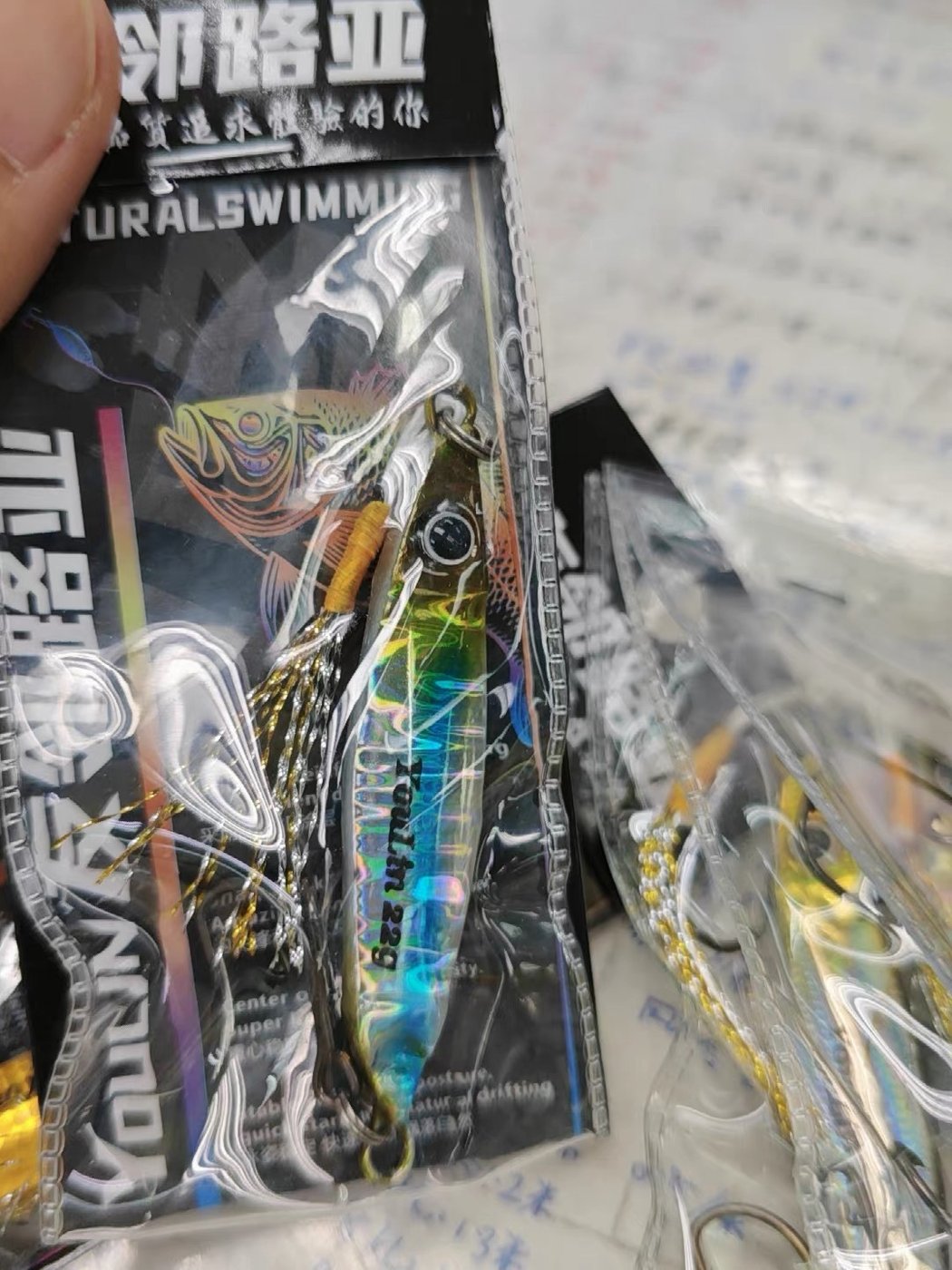
YouLin long-cast flutter jig
- 10 or 14 g
- For close targets, shallow water or light current.
- 18 or 22 g
- For longer casts, or when a light jig is hard to control in wind or current.
40–55 mm long, with an assist hook at the front and a treble at the rear. Choose a weight within your rod’s casting range.
Matching the lure to the feeding depth
Near the bottom
When bass are holding near the bottom, a soft plastic on a jighead or a metal jig can be worked in short hops along the outer edge of the rocks.
Shallow water
In shallow water with a slow current, a shallow-running minnow plug can be worked along the edge of the flat.
Surface feeding
When bass chase baitfish to the surface, a popper or shallow-running minnow plug can cover the spot where the bait scatters. With a metal jig, reeling in quickly as soon as it lands helps keep the lure near the surface.
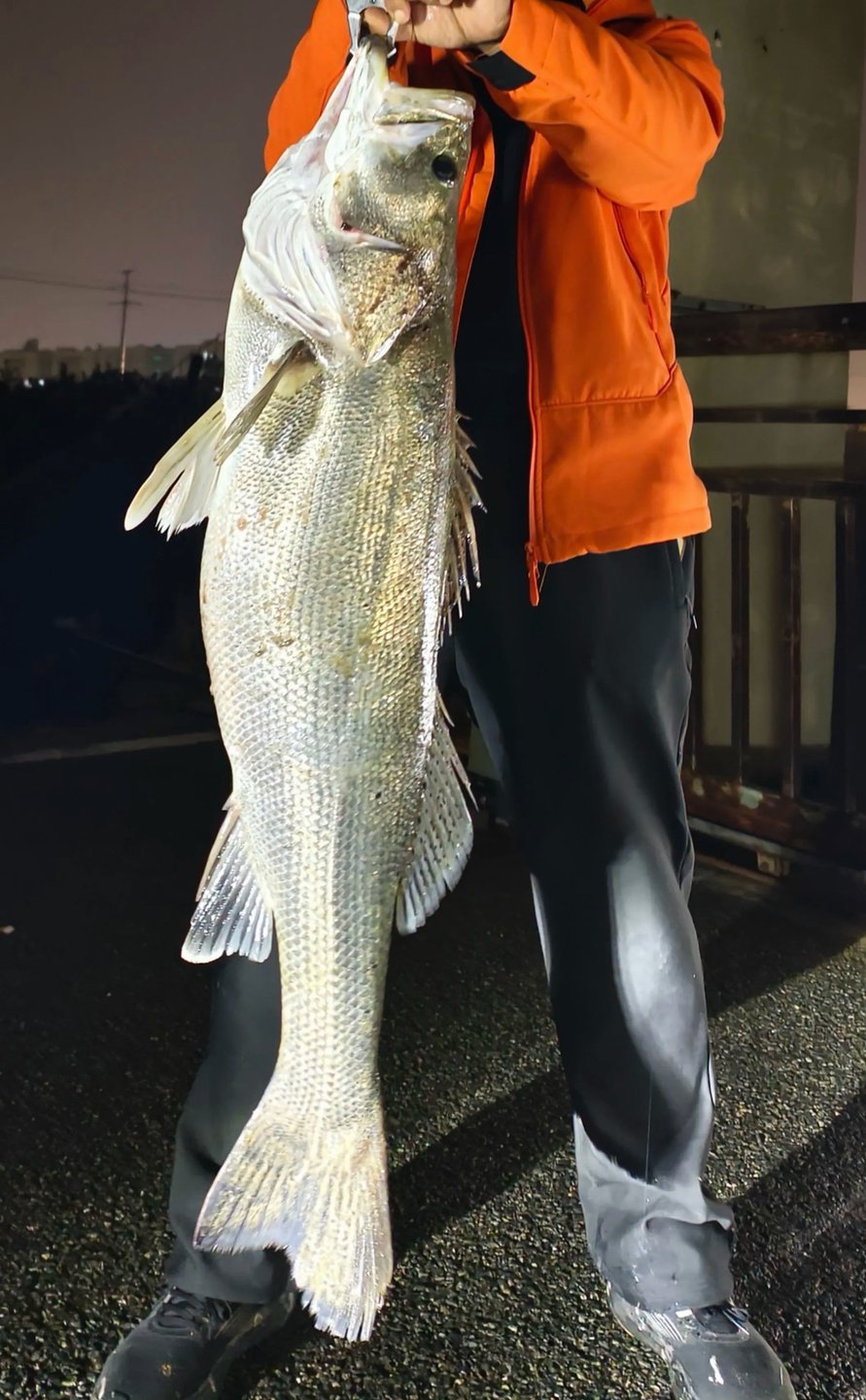
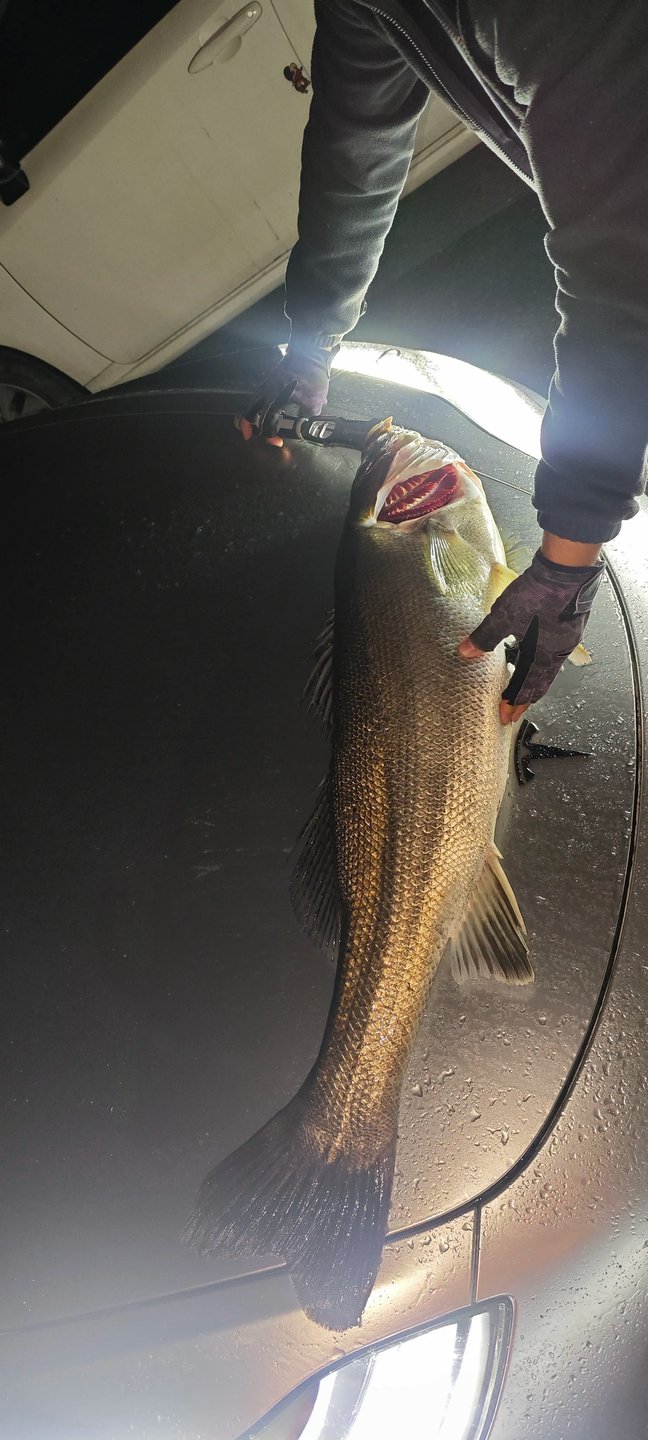
Catch Gallery