
この記事の翻訳は確認中です。以下に英語原文を掲載しています。 English →
Saltwater boat · 2026-07-17 · 9 min read
The boat is part of the presentation
How vessel motion, drift, line angle and deck practice shape a vertical or near-vertical lure path.
ROCK CURRENT Research Notes
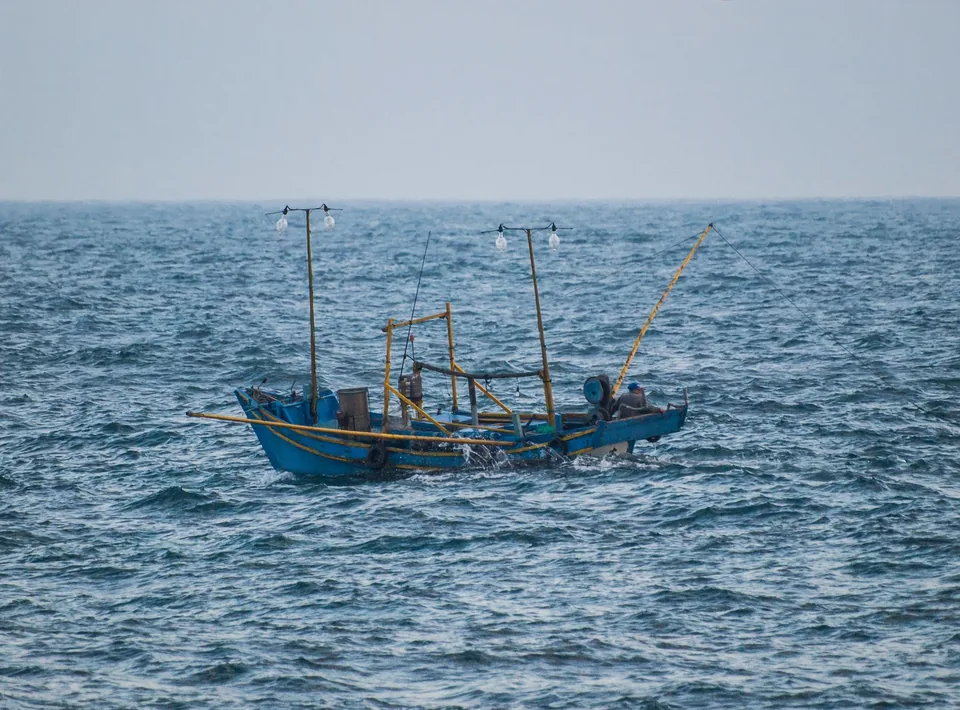 Context photograph · source record retained
There is no stationary platform
In boat fishing, the lure is connected to a moving platform. Wind, current, engine control, wave action and the shape of the drift all influence the line before the angler adds a lift, pause or retrieve. A vertical drop on the screen can become an angled traverse in the water within seconds.
Begin by watching the boat, not by dropping immediately. Note the direction of drift relative to wind and surface current, where other anglers’ lines travel, and which side the captain has assigned. The first presentation is already being shaped before the lure crosses the rail.
Line angle is information
A growing line angle can mean the vessel is moving away from the lure, current is carrying line, the lure is too light for the intended path, or all three. More line also increases bow and delay. The correct response depends on the cause: retrieve and reset, change mass, adjust timing, or let the captain reposition the vessel.
Do not chase a perfectly vertical line as a universal goal. Some presentations are intentionally diagonal. The useful question is whether the lure remains in the intended depth and clear of the hull, propeller, bottom hazards and other lines. Control and shared deck awareness come before an idealized angle.
A drop is a coordinated sequence
Before every drop, confirm the rail is clear, hooks are controlled and nearby anglers are ready. Enter the water on the captain’s signal or within the agreed rotation. Track the lure through descent rather than allowing uncontrolled slack. If contact or position becomes uncertain, reset before the line crosses the working area of another person.
Once at depth, make movements that the line can transmit. Large rod motion does not guarantee large lure motion when bow and vessel rise absorb it. Compare lift, fall and pause using the line and reel as part of the presentation. A smaller controlled action can be more legible than an exaggerated stroke on a moving deck.
Safety closes the loop
A productive drift never overrules the captain, official forecast, vessel limits or personal flotation requirements. Keep hooks secured during movement, maintain three points of contact when instructed, and know where line and tools are before changing position. Fatigue and cold reduce judgement; stopping early is part of method, not an interruption to it.
Field notes should separate vessel position, predicted conditions and observed drift from any catch response. Record depth as an instrument reading only when the instrument and context are clear. The aim is not to claim a universal boat technique, but to understand how platform, water, line and lure formed one temporary system.