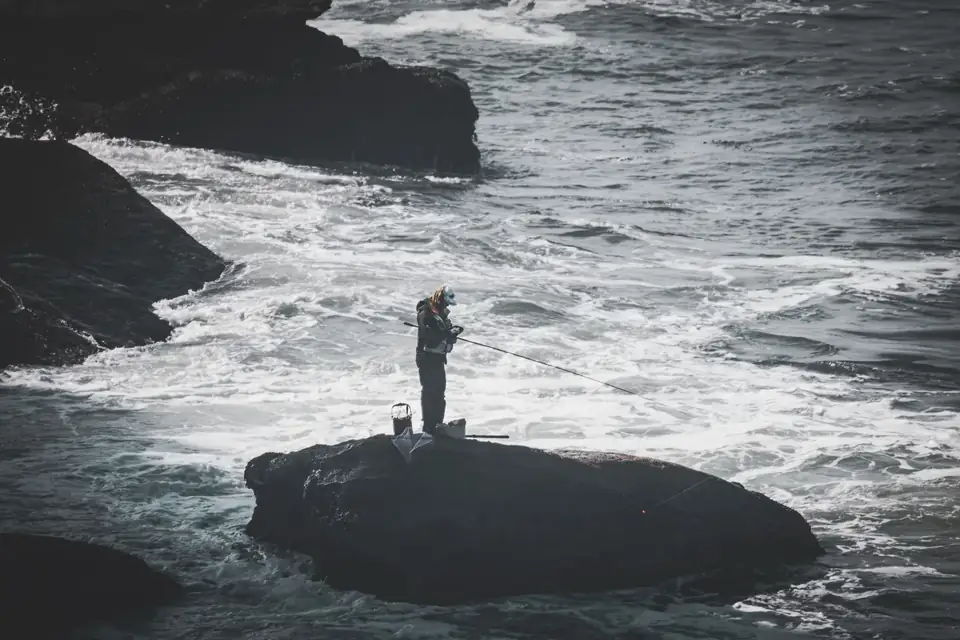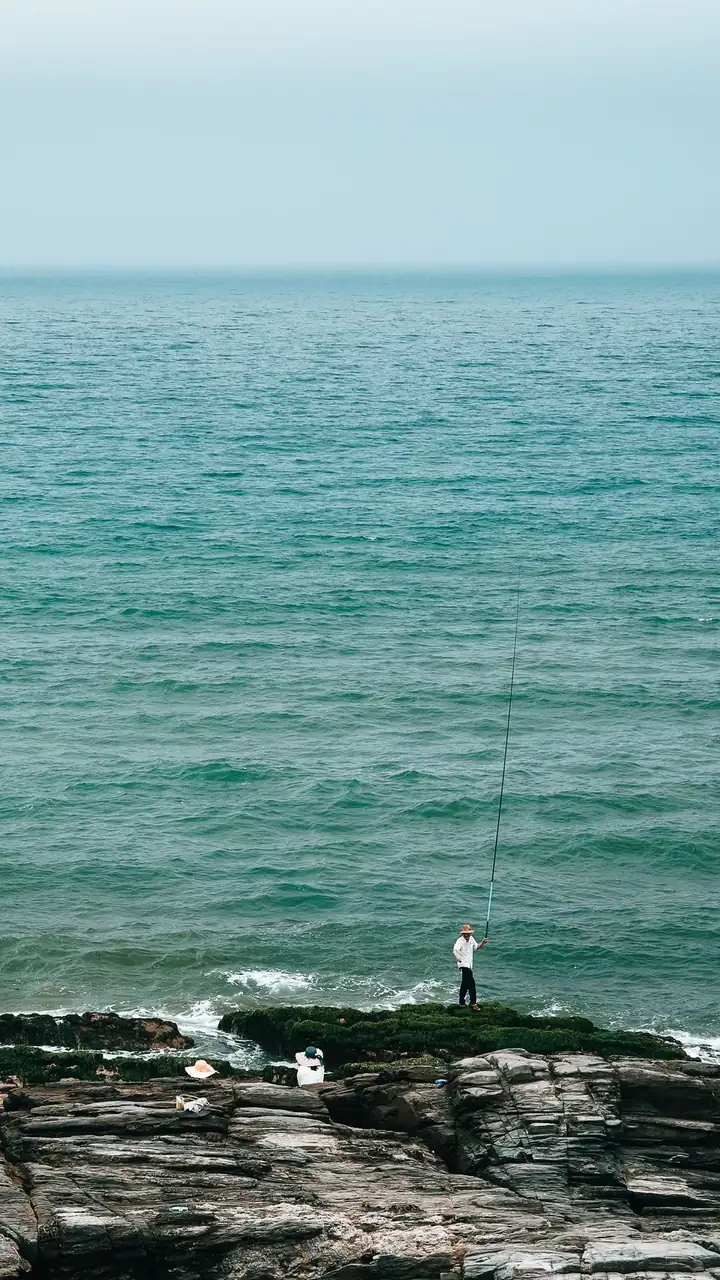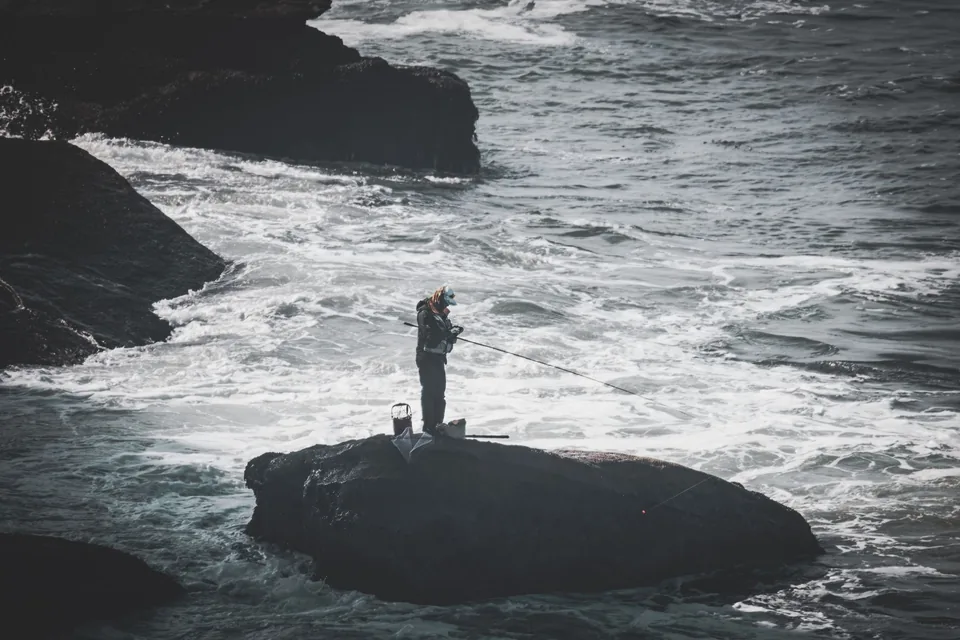
A shore angler fishes a rocky tidal edge in open coastal light
Field image · source recorded
Saltwater lure · Shore and boat

Current keeps redrawing the coast.

Tide, wind, access, vessel motion and line angle decide where a safe and useful presentation can begin along the shore or from a moving deck.

A shore angler fishes a rocky tidal edge in open coastal light
Field image · source recorded
12:40 · Saltwater · Shore and estuary

The tide redraws the shore

A reef edge, harbour mouth or sandbar is not one fixed place. The moving water changes access, depth, line pressure and the angle that remains safe.

  • Check local tide and weather
  • Keep an exit route
  • Treat current as structure
Read Field Note
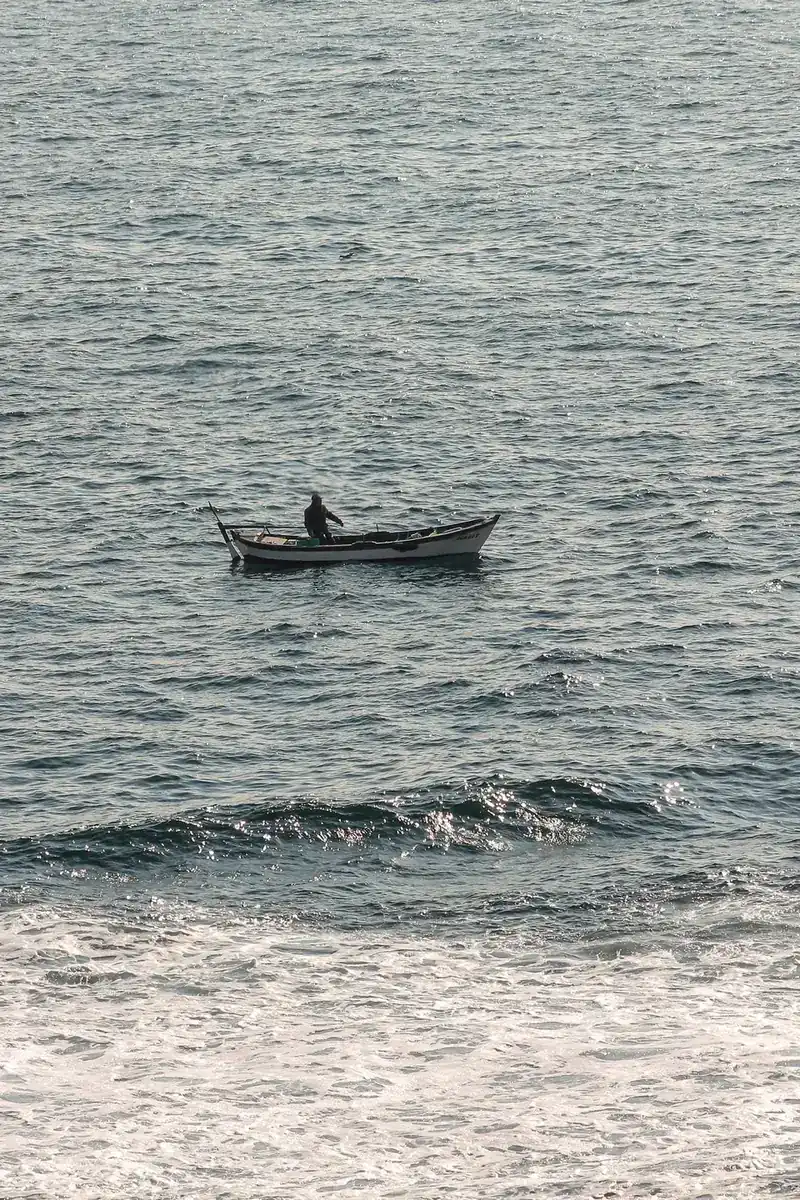
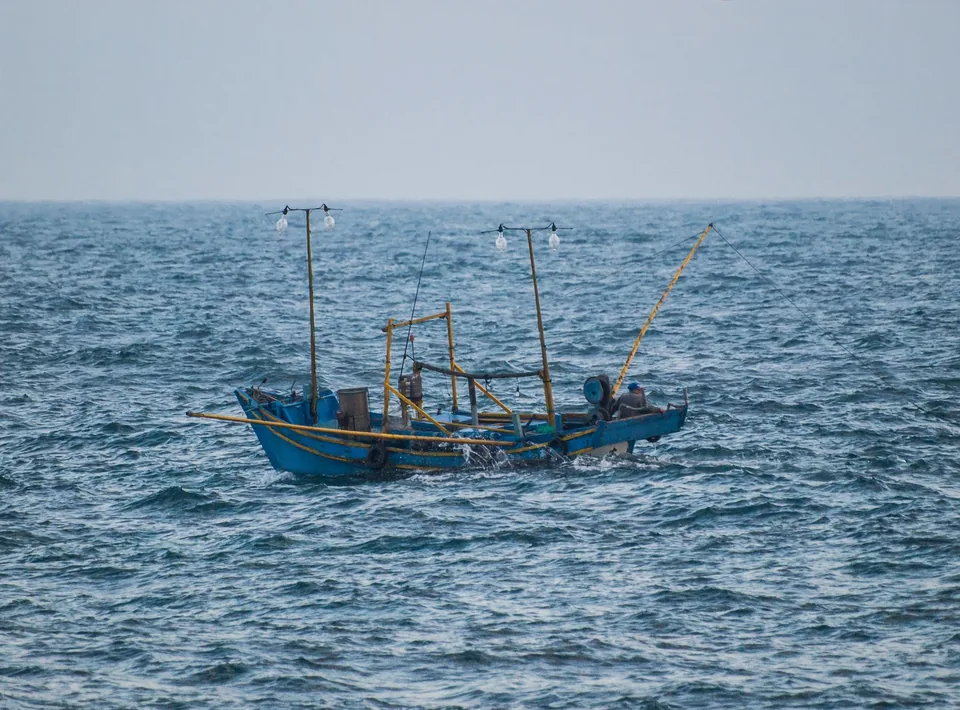
A small nearshore fishing boat moves across open water
Field image · source recorded
16:50 · Saltwater · Nearshore boat

The boat changes the angle

The lure does not move independently of the vessel. Read the drift, keep the line clear, and follow the captain’s safety instructions before optimizing depth.

  • Drift before drop
  • Protect the line path
  • Obey captain and local rules
Read Field Note
Field Notes

Methods for this field.

View all Field Notes
Shore angle is a depth clueSaltwater shore · 11 min read

Shore angle is a depth clue

How visible landform can suggest underwater slope—and why tide, sediment, charts and safety must qualify that suggestion.

Tide is moving structureSaltwater shore · 9 min read

Tide is moving structure

How changing water level and current redraw access, depth, line pressure and the useful shore-casting angle.

Loading tackle. Explore the field methods while we fetch the range.

ROCK CURRENT

Talk to our team