Opening, please wait…

Field Notes / Issue 001
Notes for the next time on the water.
Freshwater lure carries the largest share, saltwater lure follows the shore and the boat, and fly remains a focused presentation coda. Browse methods and equipment notes below.
Freshwater lure
Structure, current and retrieve angle
05 / 09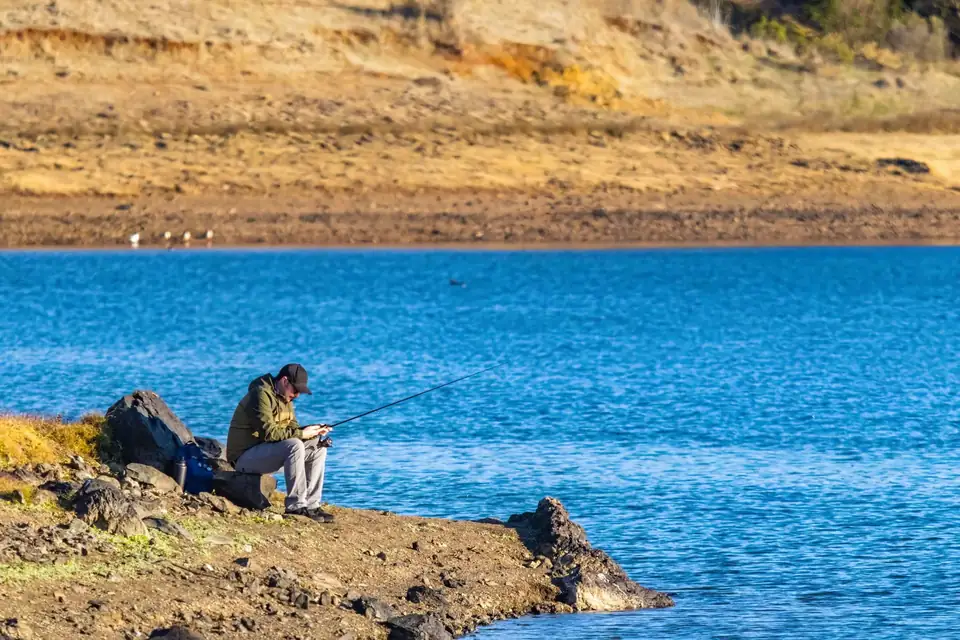
Wind gives a reservoir direction
How wind changes surface movement, boat or bank position and the order in which open freshwater can be searched.
11 min readReservoir wind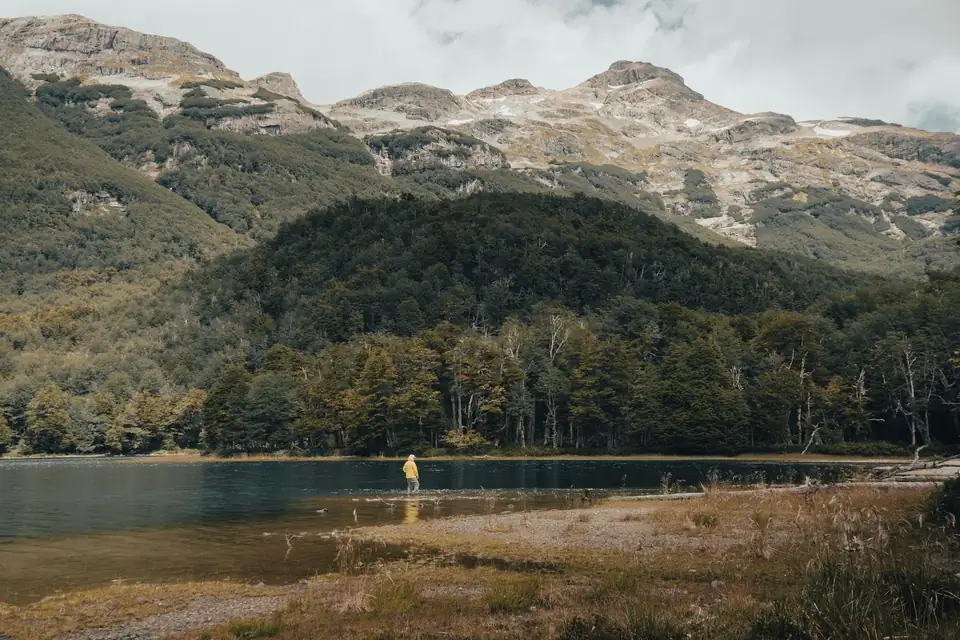
A shallow flat is not one speed
A method for separating a visually uniform shallow flat into lanes, friction zones and testable presentation paths.
11 min readFreshwater current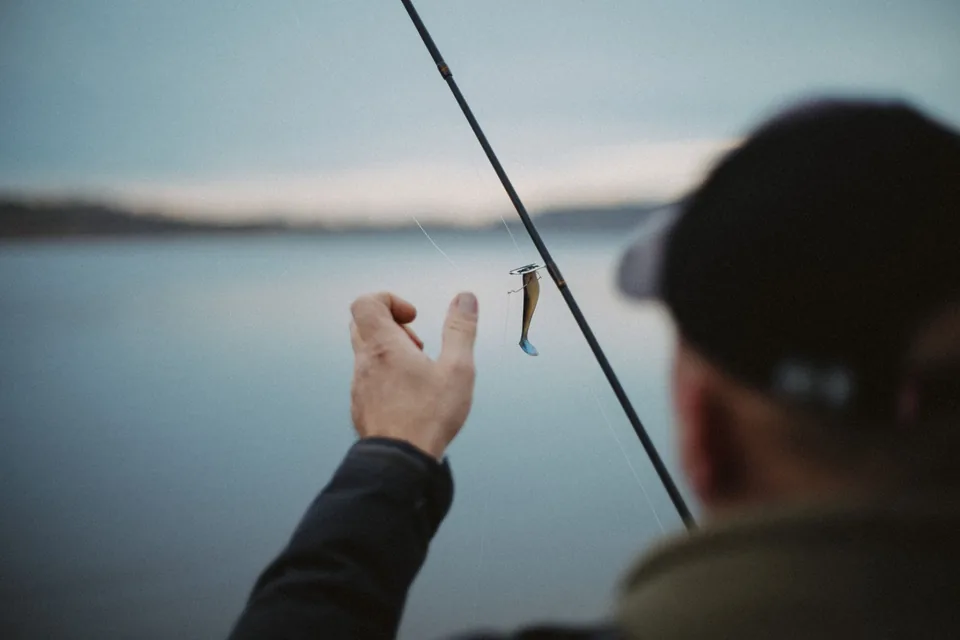
Retrieve angle changes effective depth
Why cast direction, rod position, line pressure and bank geometry can move the same lure through different water.
8 min readFreshwater lureA Seam Is a Moving Boundary: Read the Water, Then Make the Cast Count
Smooth patches, broken water and drifting foam can help you narrow the search. The next step is to connect those clues with current, depth and cover—and send a lure through the water you actually mean to fish.
7 min readReading Water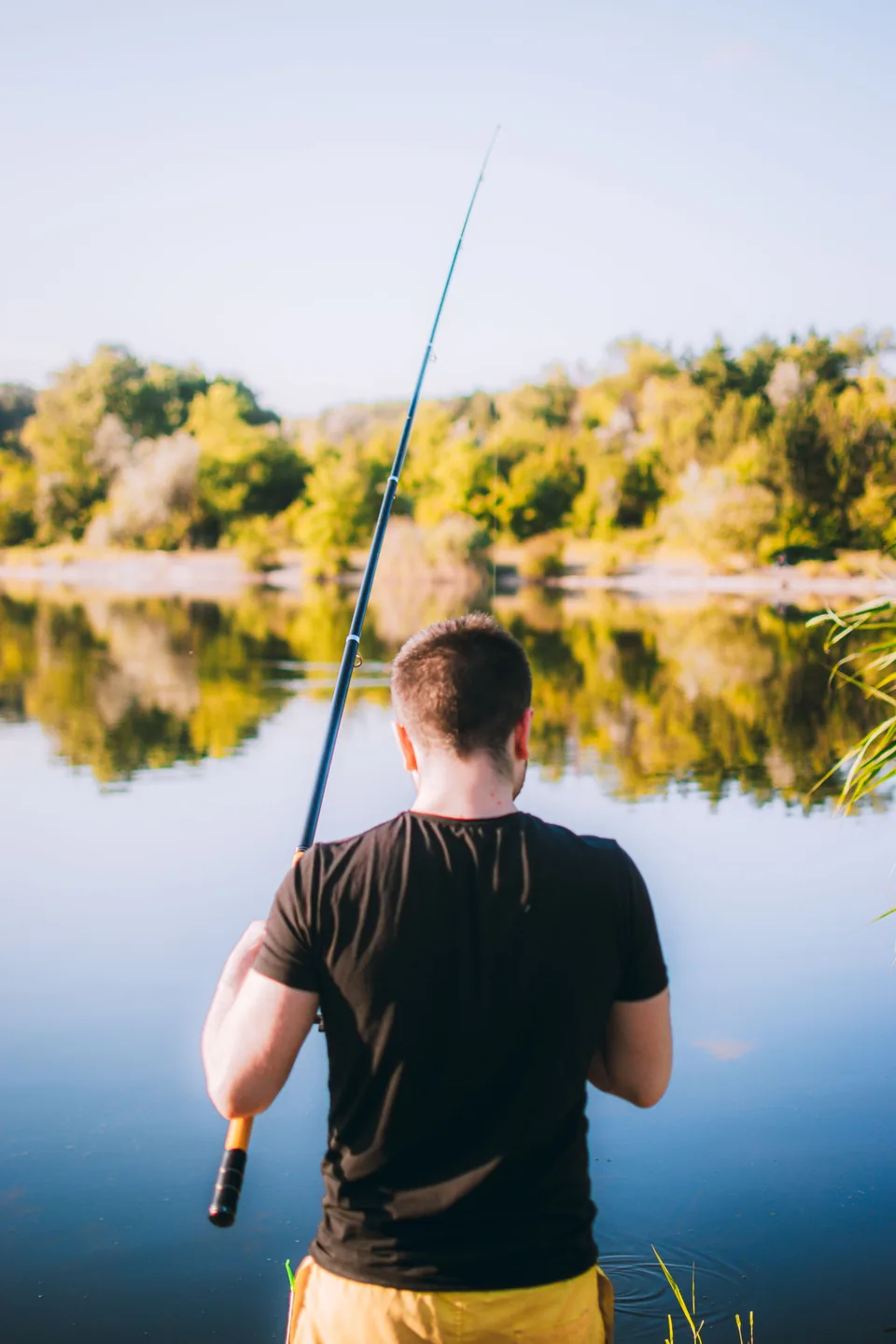
Structure before lure
A search order built from structure, depth, wind and retrieve angle before lure colour or novelty.
9 min readLure systems
Saltwater lure
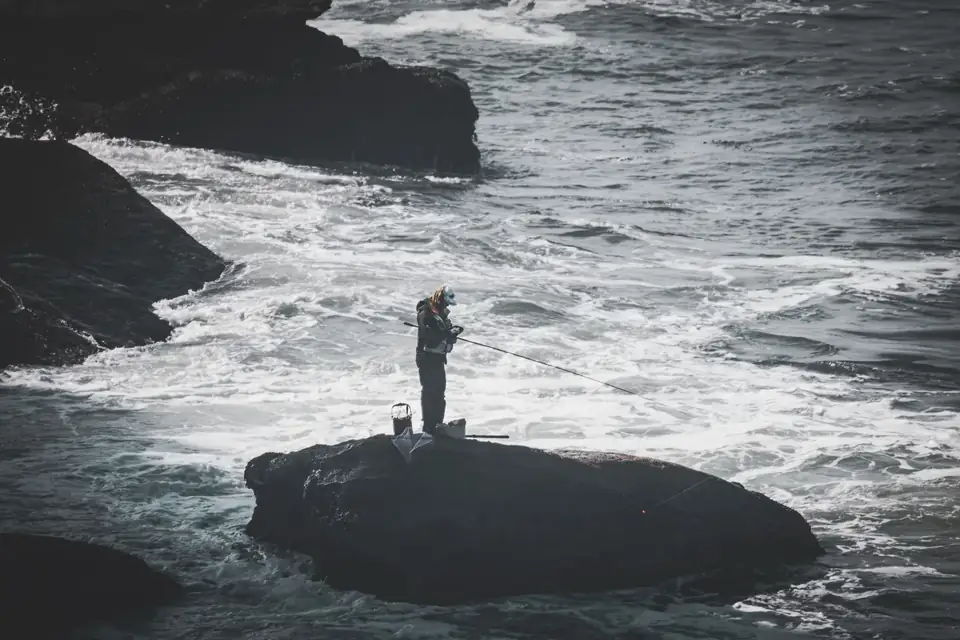
Tide, shore access, vessel movement and line angle
03 / 09Shore angle is a depth clue
How visible landform can suggest underwater slope—and why tide, sediment, charts and safety must qualify that suggestion.
11 min readSaltwater shore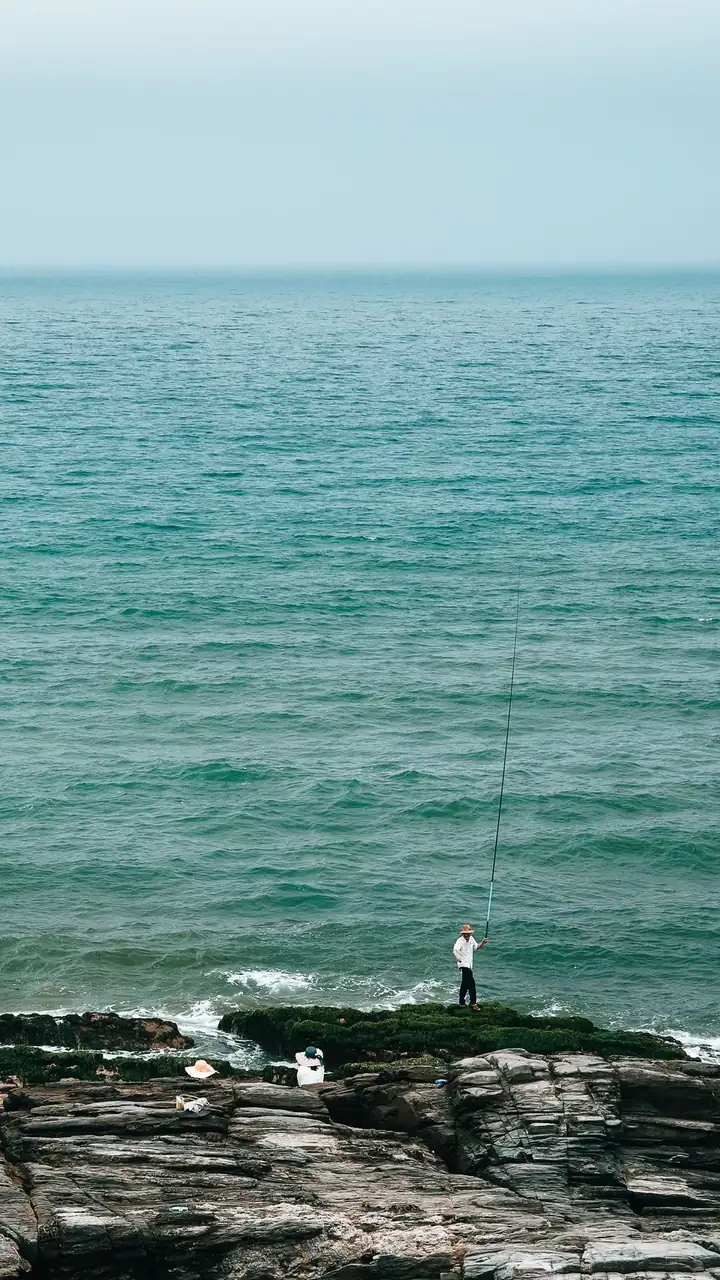
Tide is moving structure
How changing water level and current redraw access, depth, line pressure and the useful shore-casting angle.
9 min readSaltwater shore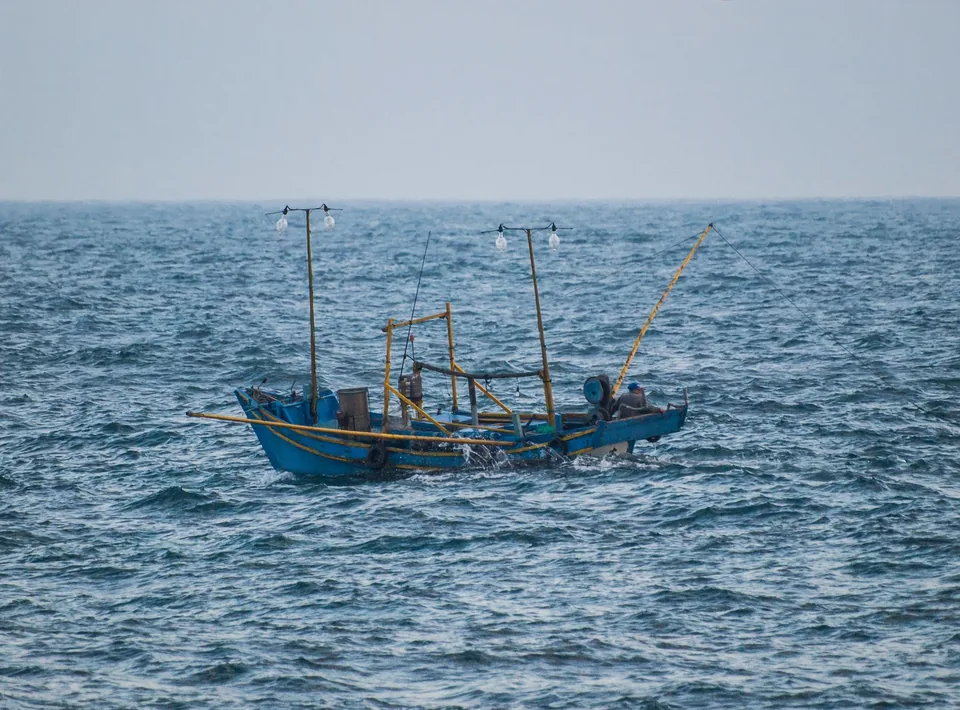
The boat is part of the presentation
How vessel motion, drift, line angle and deck practice shape a vertical or near-vertical lure path.
9 min readSaltwater boat
Fly
Approach, leader and drift as a presentation laboratory
01 / 09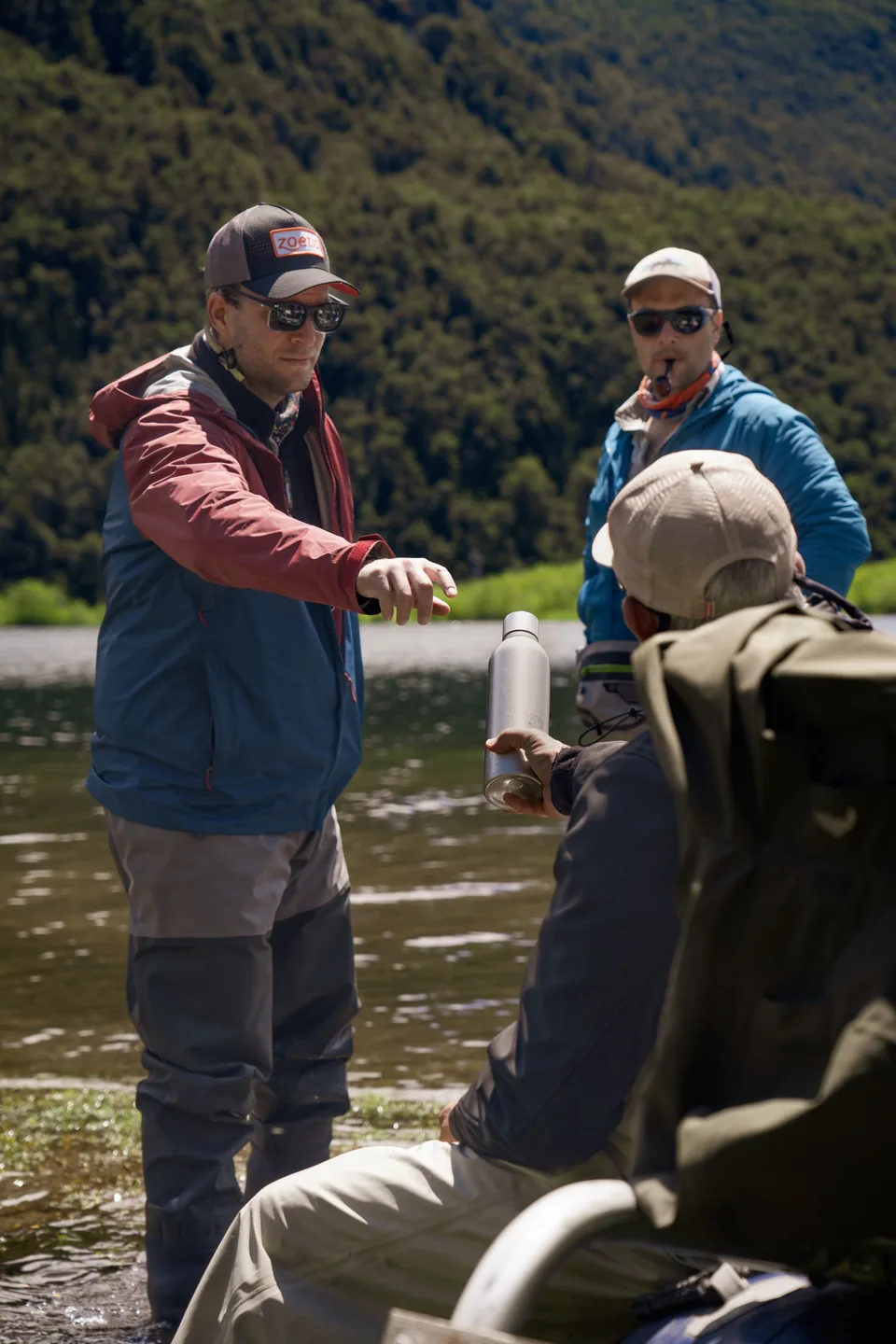
Field & equipment
Preparation, care and field notes
00 / 09