From inland waters
to the open coast.
A bilingual field journal and selected tackle for freshwater lure, saltwater lure and fly fishing. Observe the water, choose with purpose, and refine the presentation.
A bilingual field journal and selected tackle for freshwater lure, saltwater lure and fly fishing. Observe the water, choose with purpose, and refine the presentation.


A bilingual field journal and selected tackle for freshwater lure, saltwater lure and fly fishing. Observe the water, choose with purpose, and refine the presentation.
Rivers · Lakes · Reservoirs
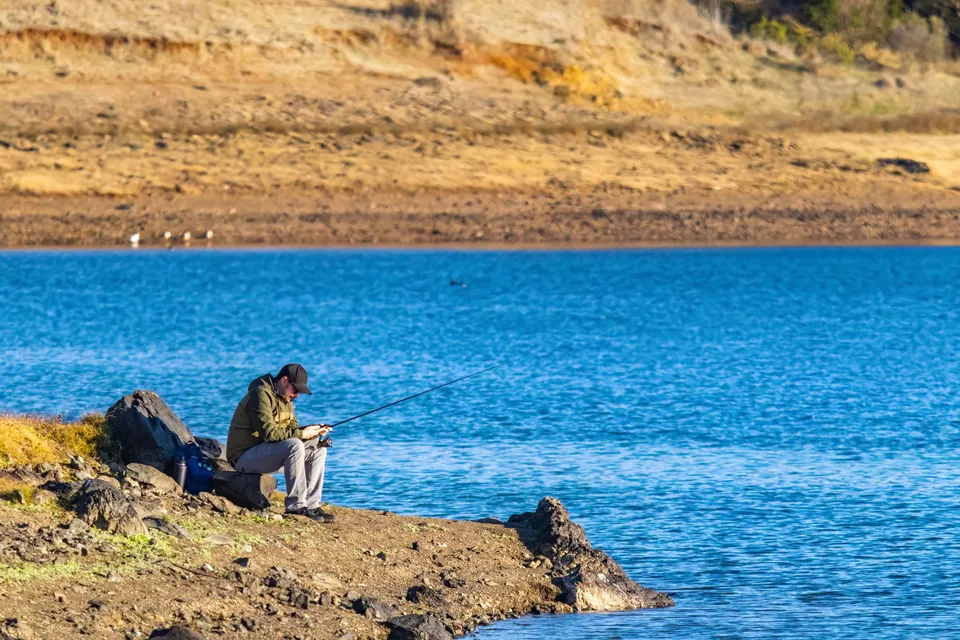
Open water becomes legible when depth breaks, cover, wind and retrieve angle are treated as connected variables.
Explore freshwaterLoading tackle. Explore the field methods while we fetch the range.
Tidal shores · Estuaries · Nearshore boats
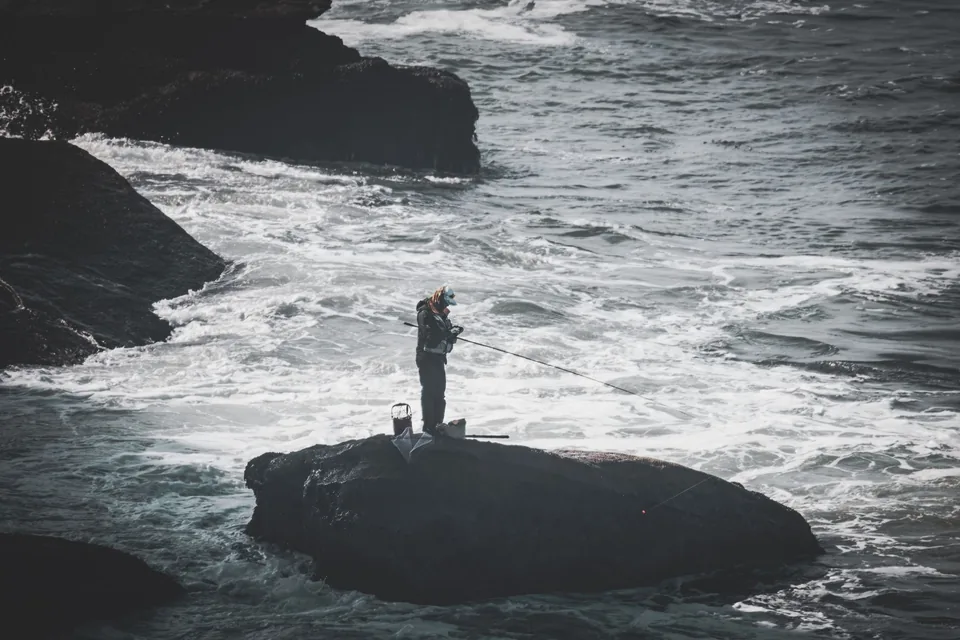
A reef edge, harbour mouth or sandbar is not one fixed place. The moving water changes access, depth, line pressure and the angle that remains safe.
Explore saltwaterLoading tackle. Explore the field methods while we fetch the range.
Approach · Leader · Drift · Line control
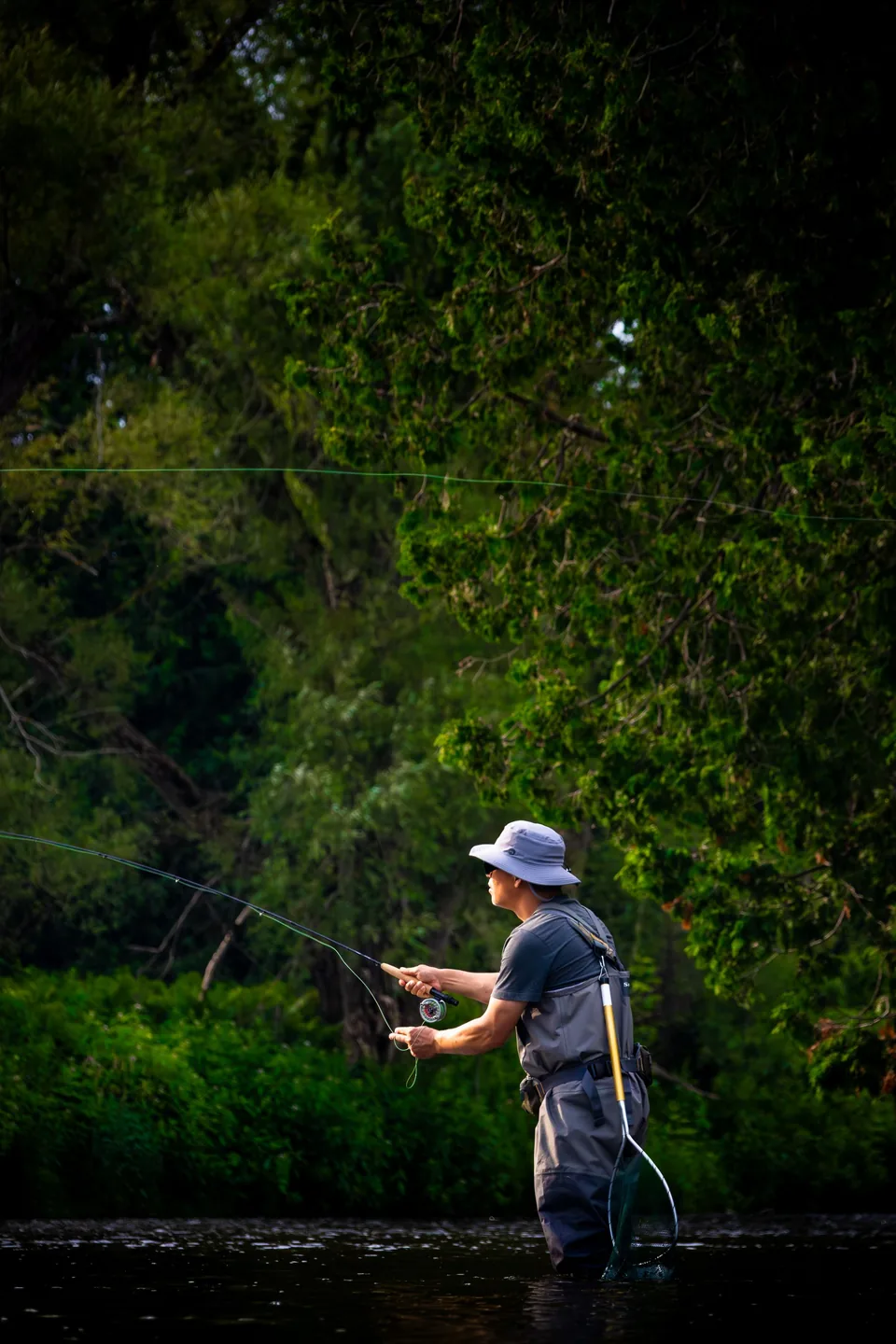
Approach, leader, drift and line control often deserve attention before another fly change. The same diagnostic discipline travels back into lure fishing.
Loading tackle. Explore the field methods while we fetch the range.
From river seams and boat drift to fly presentation. Explore methods, evidence and limits, one question at a time.
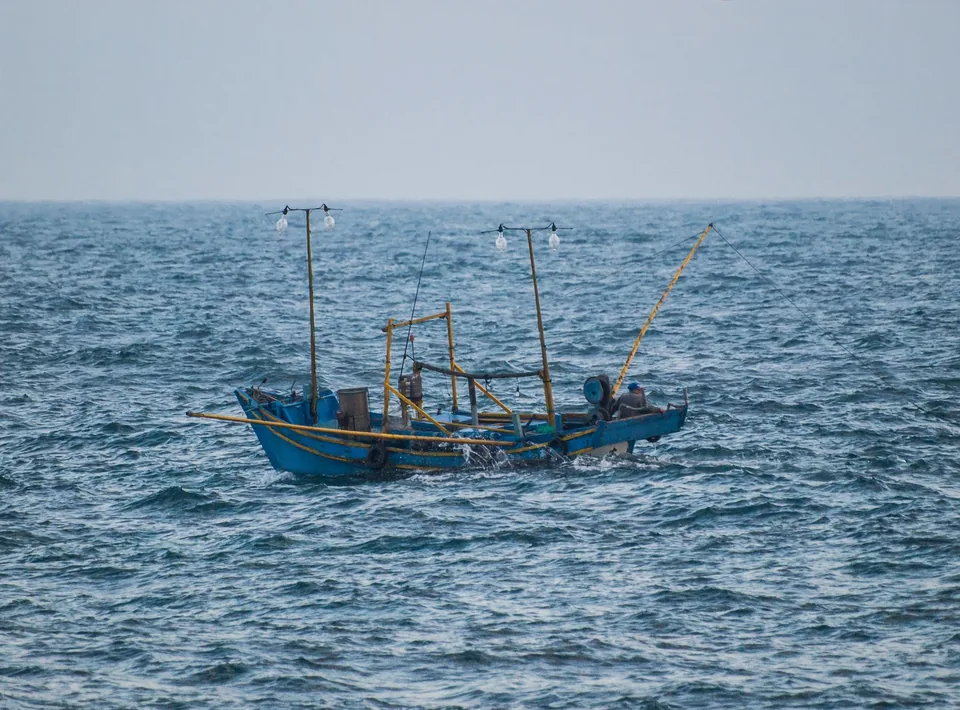
How vessel motion, drift, line angle and deck practice shape a vertical or near-vertical lure path.
Smooth patches, broken water and drifting foam can help you narrow the search. The next step is to connect those clues with current, depth and cover—and send a lure through the water you actually mean to fish.
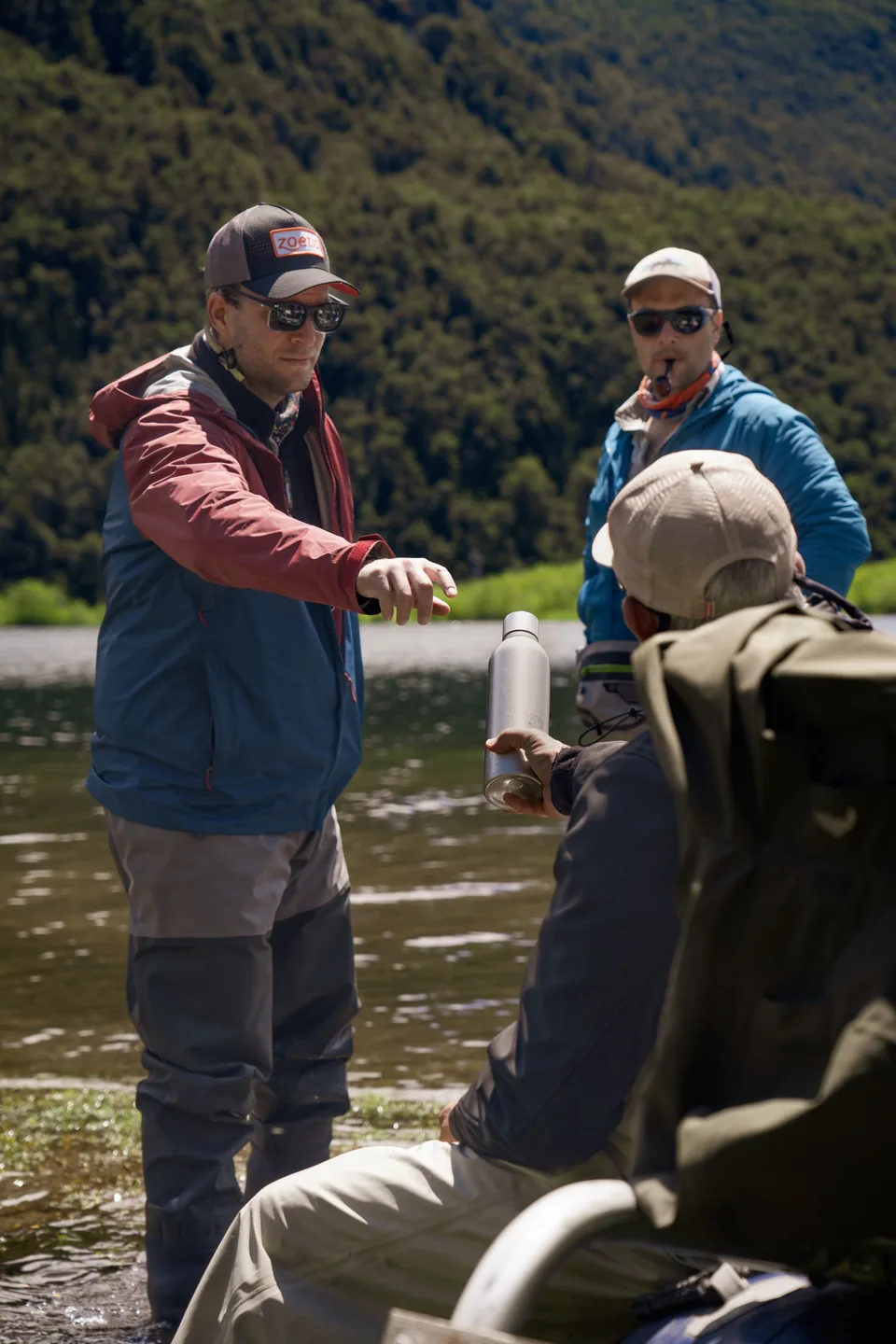
Why approach, leader and drift often deserve attention before another fly change.
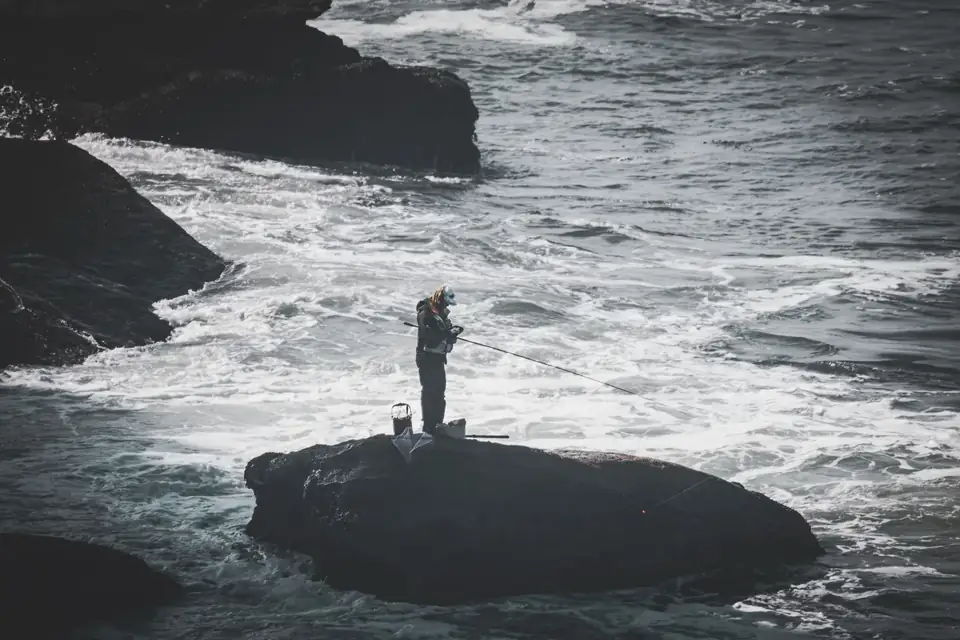
How visible landform can suggest underwater slope—and why tide, sediment, charts and safety must qualify that suggestion.
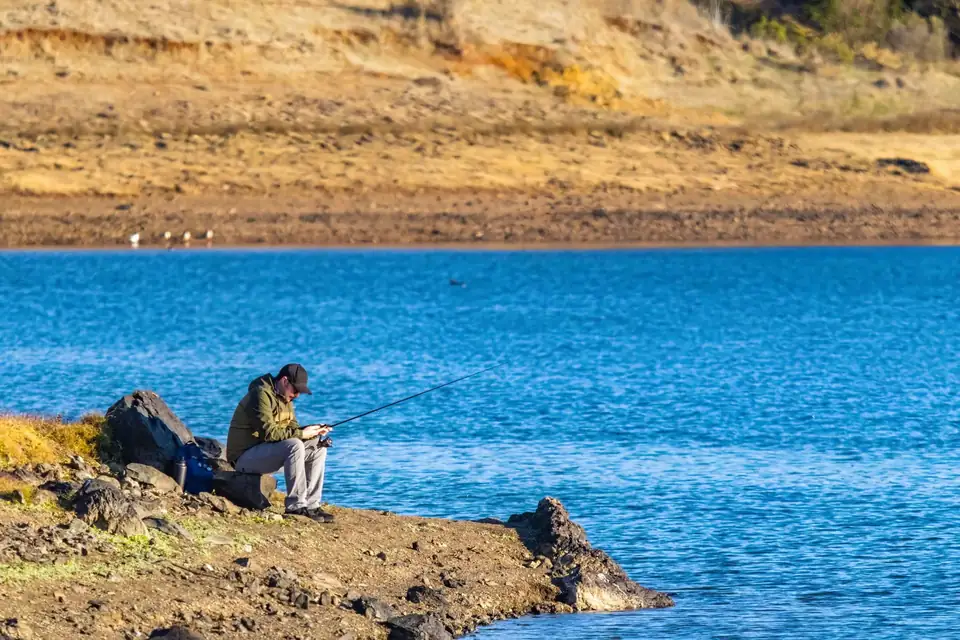
How wind changes surface movement, boat or bank position and the order in which open freshwater can be searched.
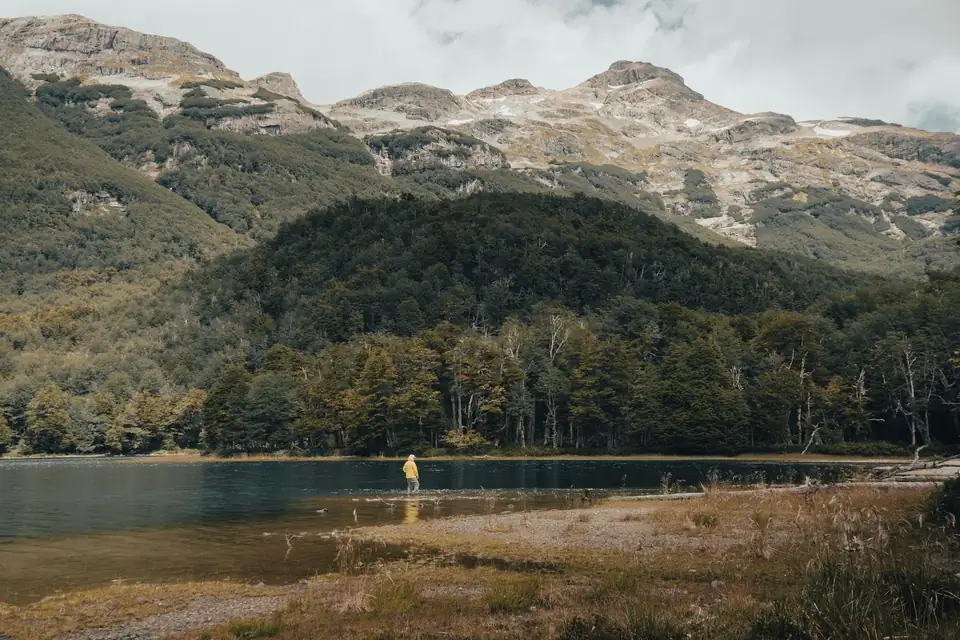
A method for separating a visually uniform shallow flat into lanes, friction zones and testable presentation paths.
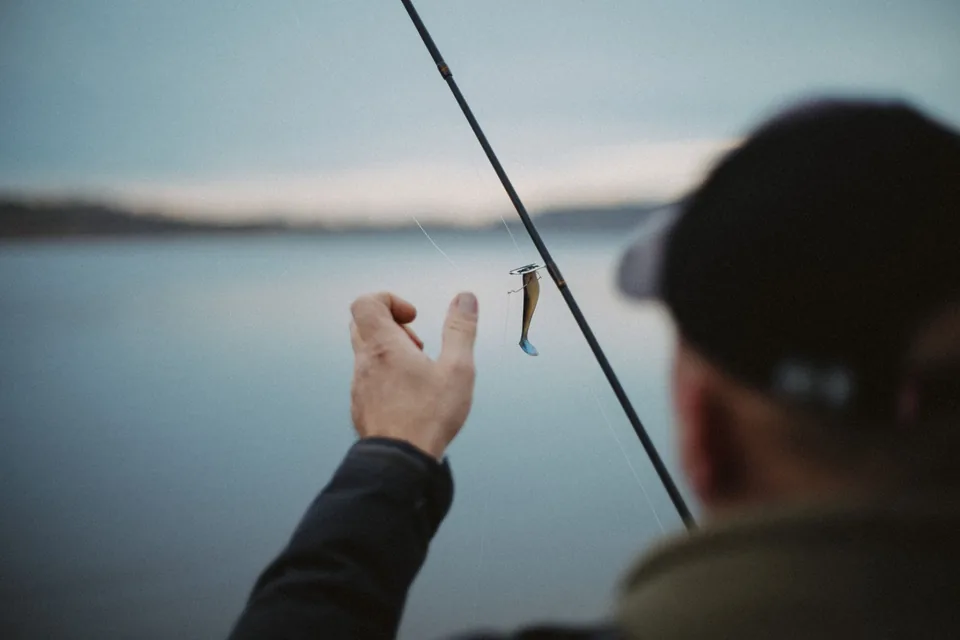
Why cast direction, rod position, line pressure and bank geometry can move the same lure through different water.
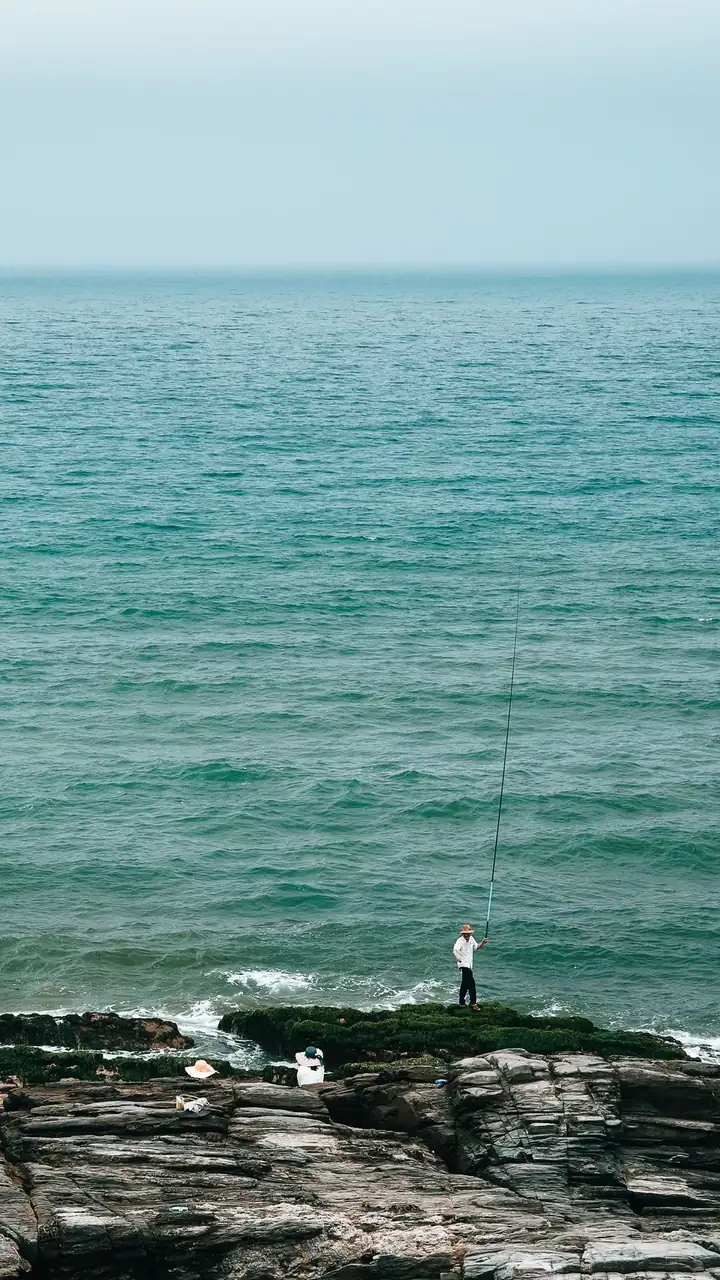
How changing water level and current redraw access, depth, line pressure and the useful shore-casting angle.

2 baits per box

1 spinner per pack · 5 weights

1 assembled jig per pack

5 colours · 10–40 g

1 jig per pack · 10–22 g

Choose colour and length
Start with a category. Explore the full range in the shop.


